
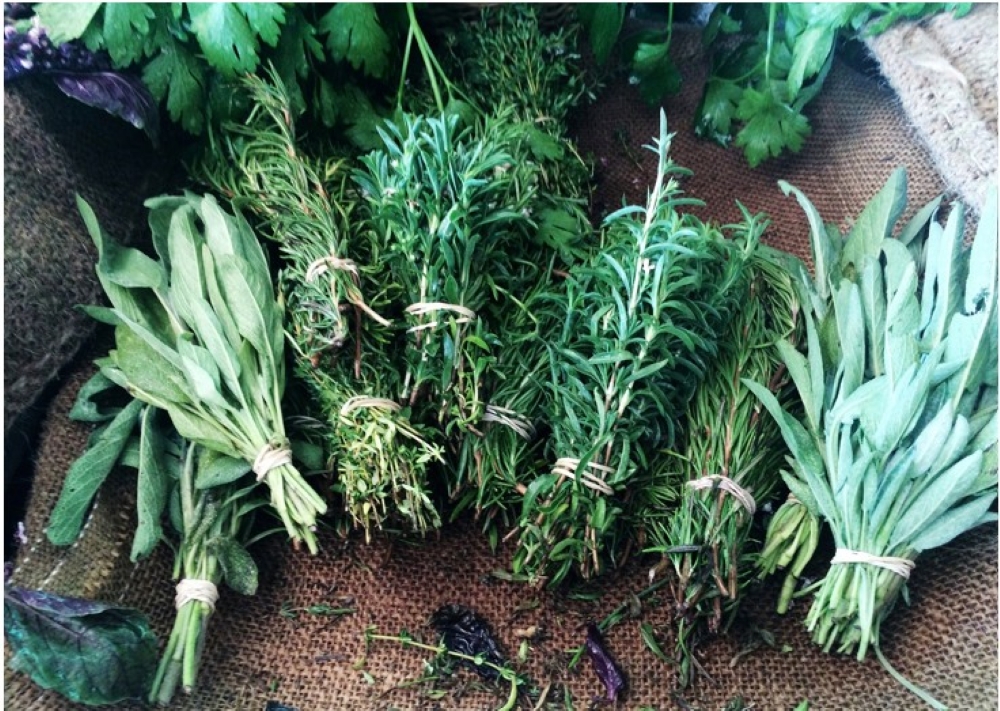
Hannah Charman is a qualified medical herbalist and Herb Society Ambassador. Herbal medicine has been used for centuries to treat common ailments, and a quarter of mainstream pharmaceuticals are still derived from plants. Hannah came to Cleobury Gardeners in June to talk about the health benefits of seven herbs that we grow in our gardens.
Hannah refers patients to a GP if needed and she checks that herbal remedies will not interfere with her clients’ existing medication. MAKE SURE THAT YOU GET MEDICAL ADVICE BEFORE USING HERBS MEDICINALLY.
Note that “medical herbalist” is not a reserved term, so check that your herbalist is fully qualified.
The term “officinalis” that you will see attached to the herbs described here indicates the original plant has a long history of being used in herbal medicine. Because of this long history, it’s better to use these original forms of the herbs, rather than more modern varieties or cultivars.
The essential oils that are generally what we’re interested in with many medicinal herbs are often on the surface of the leaves, so avoid washing these too much – you can give them a shake to dislodge any bugs!
Making herbal teas: in general, gather a handful of leaves and allow to steep in near boiling water for 5 – 15 minutes, strain and drink the tea. However, you should take professional advice on quantities and preparation.
Using oils: olive oil is recommended for infusing herbs as few people seem to have adverse reactions to it.
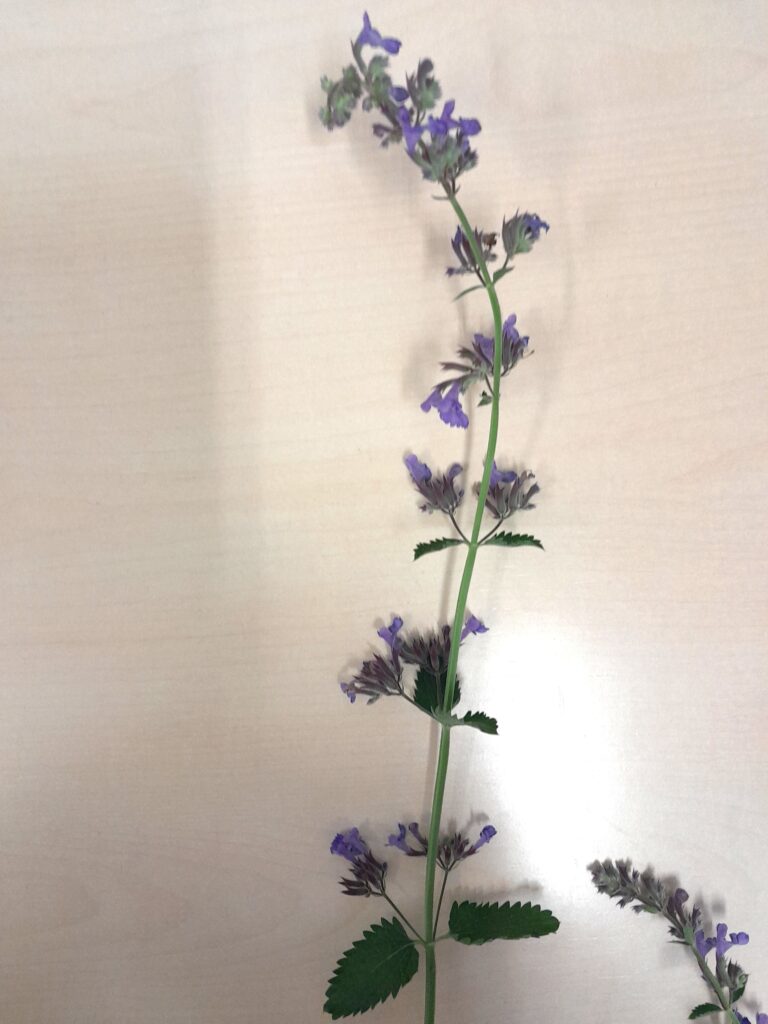
Nepeta officinalis (Catmint)
Catmint is known as “nature’s calpol” for its ability to relieve pain and fever. It is also thought to settle the stomach. Ideally it should be gathered before flowering. A small handlful chopped or squashed can be added to boiling water to make a tea.
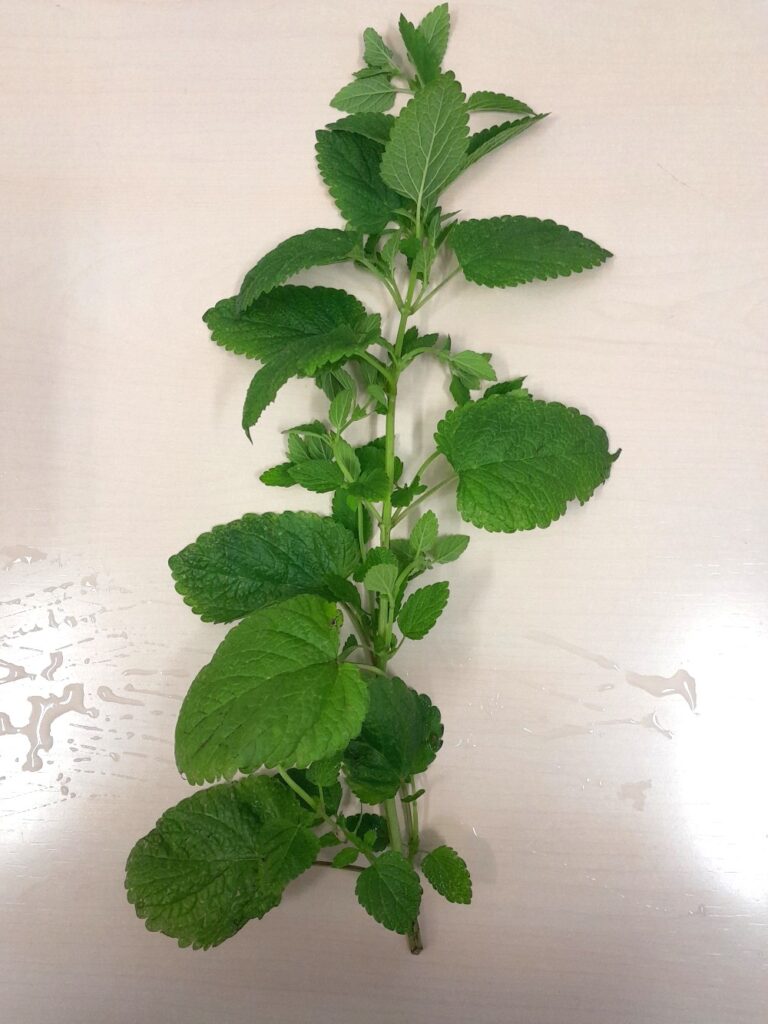
Melissa officinalis (Lemon Balm)
Lemon balm is used to treat depression and anxiety (being uplifting for depression and relaxing if you’re anxious). It can also be made into a balm (hence the common name!) to treat wounds. Plant essential oils often have an antisceptic quality as they are designed to protect the plants.
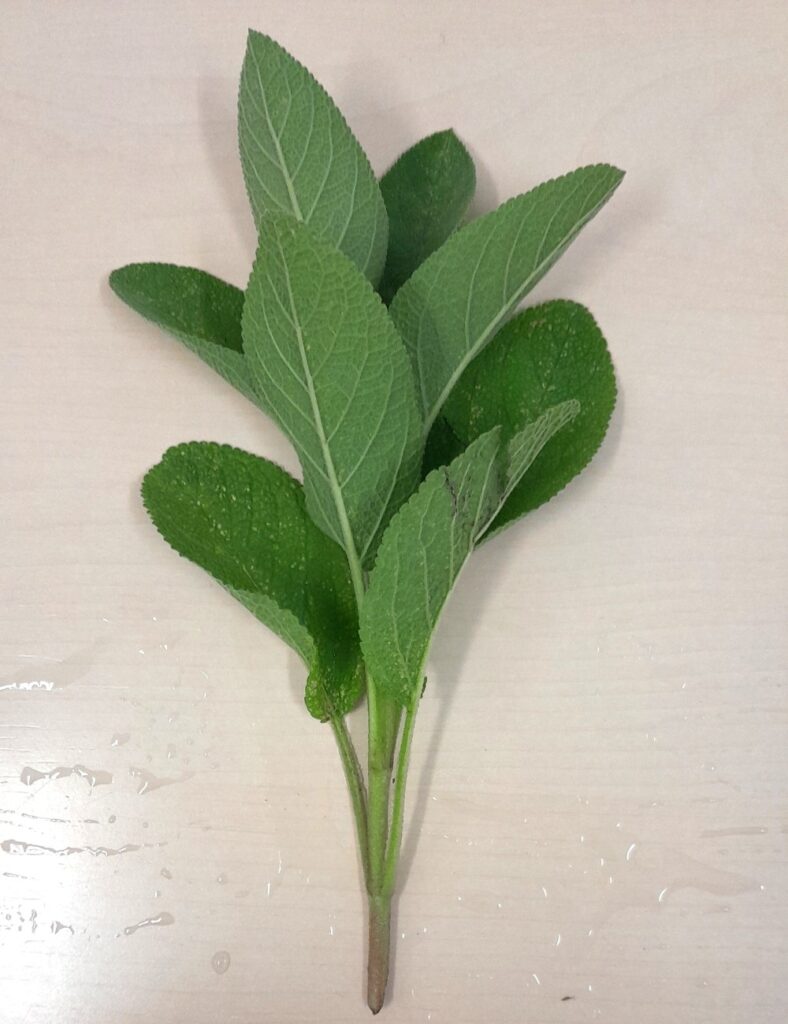
Salvia officinalis (Culinary Sage)
Sage, like many aromatic herbs has antisceptic qualities and can be used to treat sore throats by making into a tea to drink or gargle with.
Sage also contains phytoSERMS (plant-derived Selective Estrogen Receptor Modulators) that have a normalising effect on estrogen and used to treat menopause symptoms.
Hypericum perforatum (St. John’s Wort)
The leaves of Perforate St. John’s Wort look as though they have holes in them, but they are oil glands that are transluscent and appear like holes if held up to the light.
St. John’s Wort is used to treat depression – it is a mood lifter when taken as a tea. NB caution is required over the amount used and this plant can interfere with pharmacological anti-depressants.
If you infuse the flowers in oil and leave in sunlight, the solution turns red and can be used to treat nerve pain like shingles.
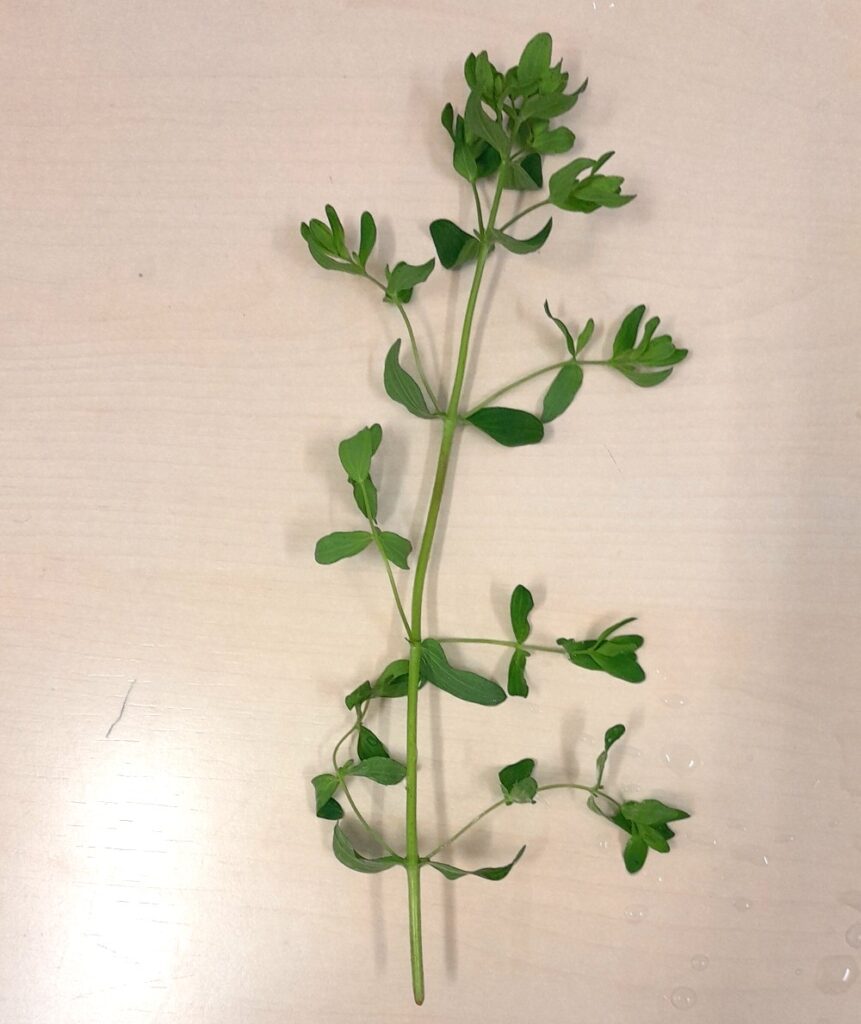
Salvia rosmarinus / Rosmarinus officinalis (Rosemary)
Salvia rosmarinus / Rosmarinus officinalis (Rosemary) is known as the herb of remembrance and is used to improve memory and cognitive function. It can be inhaled (aromatherapy) or ingested as a tea.
Along with Sage, Rosemary is currently being tested as a potential treatment for dementia.
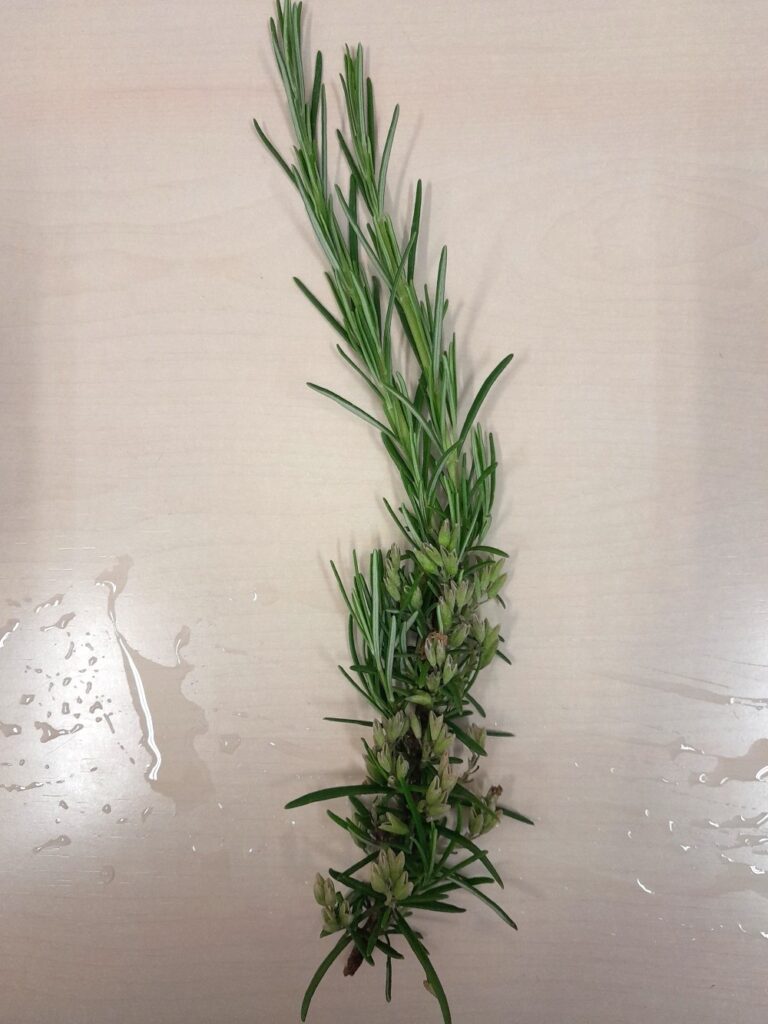
Valeriana officinalis (Common Valerian)
Common Valerian root is a sedative and used to treat insomnia. Three year old root is used.
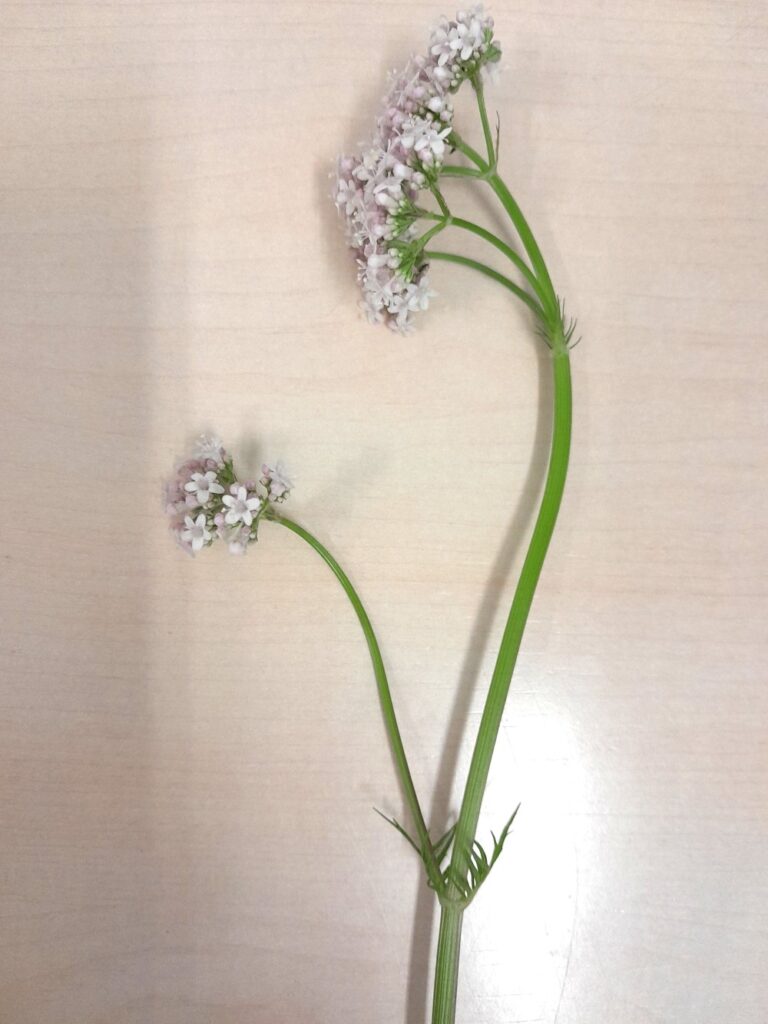
Thymus vulgaris (Common/Culinary Thyme)
Thyme is used for lung conditions and can be made into a cough syrup.
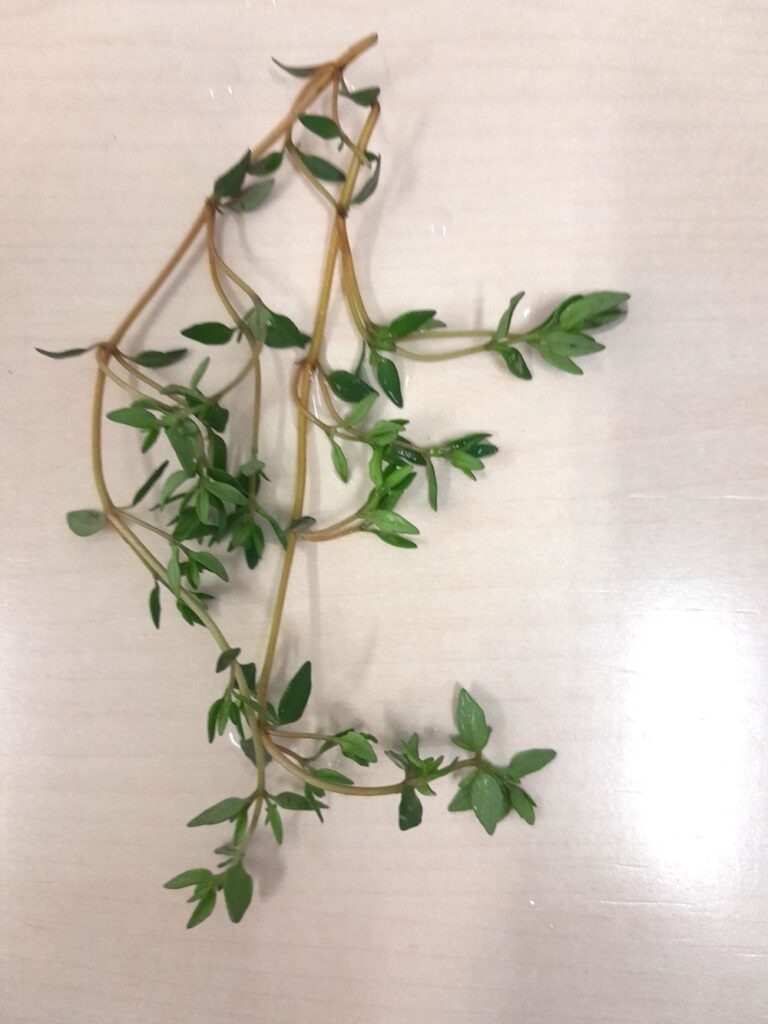
Useful Links
The National Institute of Medical Herbalists
Further Reading
Two books to try if you would like more detail on medicinal herbs:
“Herbal Remedies” by Christopher Hedley & Non Shaw
“Practical Herbs” by Henriette Kress