
Liam Bedall, Head Rosarian at David Austin Roses
Liam began his presentation from a historical perspective, describing how David Austin Senior released his first new rose in 1961, driven specifically by developing roses with three principal characteristics – beauty, charm and smell/fragrance. This focus continued throughout subsequent years as he bred English roses in particular, but changing climate eventually led him to develop those that, additionally, had more disease resistance.
Rose breeding is a mix of art, science and nature working together and is complex and time-consuming, taking months and years, to trial varieties: it is understandable why new roses are so expensive when they successfully become available on the market.
There are various types of roses: rambling, standard, shrub and climbing:
- rambling – rarely repeat flower; good for scrambling over structures such as arches, pergolas and walls.
- standard.
- shrub – roses that provide a permanent woody structure, akin to a hydrangea.
- climbing – larger-flowered; repeat flowering; good for fanning structures, framing entrances, softening boundaries and providing fragrance in seating areas.
Key Aspects of Rose Growing
Planting in the Ground
- First, identify the location – the rose needs four hours of sun a day.
- Prepare the soil where the rose is to be grown: free-draining, weed-free and friable.
- Dig a hole 45cm by 45cm and add soil improver, manure or garden compost.
- Position the plant with the bud union (knuckle) 5cm below the top of the hole to help stabilize the plant below the soil as it grows.
- Backfill around the roots and lightly firm it in.
- Water thoroughly.
Planting in a Pot
- Select a pot at least 18 inches in diameter with sufficient draining holes.
- Put crock in the base across the drainage hole and fill the pot with a 50:50 peat-free compost and John Innes No3 mix, or rose compost.
- Position the plant in the pot with the bud union 5cm below the level of the compost, fill the pot and firm the soil.
- Water well, using liquid seaweed twice weekly from the end of April.
Pruning
- Principally, roses are pruned to shape them, rather than just cutting them down! First decide on the shape you want to achieve and in keeping with the rest of the plant. For example, you may want to leave stems taller at the back and decrease the height and width as the plant nears the ground, thus having buds all over the plant.
- Always remove damaged, dying or dead or diseased stems from the point of origin.
- When the rose is 5-6 years old, take out all the old stems at the base.
| 1 Year | 2+ Years | |
| SHRUB ROSES | Cut back to a height of 12-18” (30-46cm) from ground level | Cut back by half |
| CLIMBERS | Cut back side shoots lightly by a few inches | Reduce the length of any flowering side shoots by half |
| RAMBLERS | Cut back lightly by a few inches | Thin out shoots as necessary |
Rose Care Calendar
| January and February | PRUNE all roses |
| March | No further pruning since roses will be in leaf. FEED in early March |
| April | No further pruning – plant in leaf and growing. MULCH in early April |
| May | WATER well |
| June | DEADHEAD (after flowering). WATER well |
| July | DEADHEAD (after flowering). WATER well |
| August | DEADHEAD (after flowering). WATER well |
| September | DEADHEAD (after flowering) |
| October, November, December | Your roses are winding down for the winter; let them go into dormancy. No pruning because most roses are still flowering. |
To see roses at their best, Liam recommended visiting David Austin Roses in Albrighton in Shropshire, not only to witness the fabulous array of blooms but also, especially in high summer, to witness the amazing varieties of companion plants at their best, including nepeta, stachys, verbena, geranium and salvia.
Useful Links
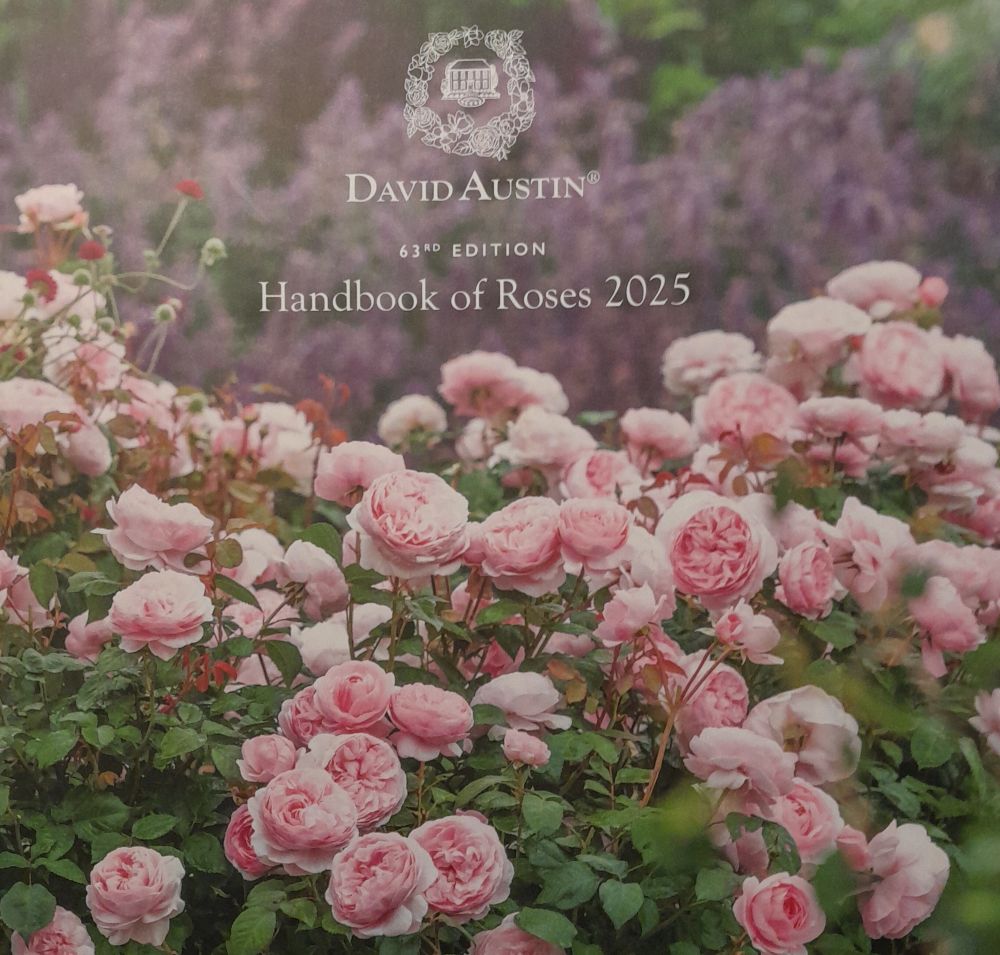
David Austin Roses – lots of useful articles on selecting and caring for roses. You can order a copy of the Handbook from the website.
RHS – lots more information to help you select and care for your roses. 806 roses have an RHS Award of Garden Merit!